

Why Glaucoma Should Never Be Ignored
Glaucoma is a group of eye conditions that can damage the optic nerve and cause permanent vision loss. What makes glaucoma particularly concerning is that the most common forms may develop slowly, often without noticeable symptoms in the early stages.
The good news? Early detection and appropriate treatment can help slow the progression of glaucoma and protect your remaining vision. Regular comprehensive eye examinations are therefore an important part of maintaining long-term eye health.
What Is Glaucoma?
Glaucoma occurs when progressive damage affects the optic nerve, which carries visual information from the eye to the brain. Increased intraocular pressure (IOP) is an important risk factor, but glaucoma can also occur when eye pressure is within a traditionally normal range.
Because vision already lost from glaucoma generally cannot be restored, the goal of treatment is to detect the condition early and slow further damage.
Common Symptoms of Glaucoma
One of the biggest challenges with glaucoma is that early glaucoma may have few or no obvious symptoms. As the disease progresses, peripheral or side vision may gradually become affected.
Possible warning signs include:
- Gradual loss of peripheral vision
- Difficulty noticing objects to the side
- Blurred vision in some cases
- Eye pain, severe headache, nausea or vomiting in acute angle-closure glaucoma
- Halos around lights during an acute attack
Sudden severe eye pain with blurred vision, headache, nausea or vomiting requires urgent medical attention, as acute angle-closure glaucoma can progress rapidly.
Who Is at Higher Risk?
Several factors can increase the risk of developing glaucoma, including:
- Increasing age
- Family history of glaucoma
- Elevated intraocular pressure
- Myopia (short-sightedness)
- Certain systemic health conditions
- Long-term or inappropriate corticosteroid use
Having a risk factor does not necessarily mean you will develop glaucoma, but it makes regular eye examinations particularly important.
How Is Glaucoma Diagnosed?
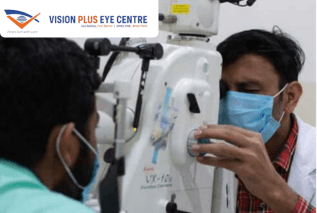
A glaucoma evaluation may involve more than simply checking your eyesight. An eye specialist may assess intraocular pressure, the optic nerve, visual fields and other structures of the eye to identify signs of glaucoma and monitor changes over time.
Regular monitoring is important because glaucoma is generally a chronic condition requiring ongoing management.
Glaucoma Treatment: Can It Be Controlled?
While glaucoma-related vision loss is generally irreversible, treatment can help slow or control further progression. Depending on the type and severity of glaucoma, treatment may include prescription eye drops, laser procedures or surgery. Lowering intraocular pressure is a central component of treatment for many forms of glaucoma.
Your ophthalmologist will recommend treatment according to your individual condition, eye pressure, optic nerve status and risk of progression.
Protect Your Vision With Regular Eye Care
Glaucoma is often called a “silent thief of sight” because significant damage can develop before a person notices a problem. Early evaluation gives your eye specialist an opportunity to identify glaucoma or risk factors and create an appropriate monitoring or treatment plan.
At Vision Plus Eye Centre, glaucoma care focuses on early detection, treatment and ongoing monitoring. The centre lists glaucoma among its super-speciality eye services and provides comprehensive eye-care services in Noida.
Take the First Step Toward Healthier Vision
Don’t wait for noticeable vision loss before getting your eyes checked. If you have a family history of glaucoma, are at higher risk, or have noticed changes in your vision, schedule a comprehensive eye examination with an eye specialist.
Book an appointment with Vision Plus Eye Centre today and take a proactive step toward protecting your vision.