

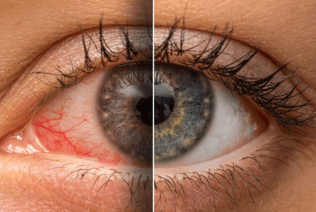
Why Are Your Eyes Feeling Dry and Irritated?
Do your eyes often feel tired, itchy, or like there is something stuck inside them? You may be experiencing dry eye syndrome, a common eye condition that occurs when your eyes do not produce enough tears or when tears evaporate too quickly. Tears are essential for keeping the eyes lubricated, comfortable, and maintaining clear vision.
With increasing screen time, air-conditioned environments, pollution, and lifestyle changes, dry eyes have become a frequent concern among people of all ages. Understanding the causes, symptoms, and treatment options can help protect your eye health and prevent discomfort.
What Is Dry Eye Syndrome?
Dry eye syndrome is a condition where the eyes fail to maintain adequate moisture on the surface. A healthy tear film keeps your eyes smooth and clear, but when tear production decreases or tears evaporate too quickly, it can lead to irritation and vision problems.
Dry eyes can affect daily activities such as reading, working on digital devices, driving, or spending time outdoors. If ignored, persistent dryness may affect the health of the eye surface.
Common Symptoms of Dry Eyes
Recognising the early signs of dry eyes can help you seek timely care. Common symptoms include:
- Burning or stinging sensation in the eyes
- Redness and irritation
- Gritty or sandy feeling in the eyes
- Blurred or fluctuating vision
- Increased sensitivity to light
- Excessive watering of the eyes
- Eye fatigue after screen use
Many people assume watery eyes mean their eyes are well-lubricated, but excessive tearing can also occur as a response to dryness and irritation.
What Causes Dry Eyes?
Several factors can contribute to dry eye problems, including:
- Excessive Screen Time
Long hours on smartphones, computers, and digital devices can reduce blinking frequency, causing tears to evaporate faster. Following screen breaks and practising conscious blinking can help reduce eye strain.
- Environmental Factors
Dust, pollution, dry weather, wind, and prolonged exposure to air conditioning can affect tear stability and increase dryness.
- Age and Hormonal Changes
Tear production may decrease with age. Hormonal changes can also influence tear quality, making some individuals more prone to dry eye symptoms.
- Contact Lens Use
Wearing contact lenses for extended periods may contribute to dryness and discomfort, especially without proper eye care.
- Medical Conditions and Medications
Certain health conditions and medications may affect tear production or tear quality, increasing the risk of dry eyes.
How Can You Prevent Dry Eyes?
Simple lifestyle changes can support better eye comfort:
- Follow the 20-20-20 Rule
When using digital screens, take a 20-second break every 20 minutes and look at something 20 feet away.
- Stay Hydrated
Drinking enough water helps support overall body function, including eye moisture.
- Blink More Often
Conscious blinking during screen use helps spread tears evenly across the eye surface.
- Protect Your Eyes
Wear protective eyewear in dusty or windy environments and avoid direct airflow from fans or AC units toward your eyes.
- Maintain Regular Eye Check-ups
Routine eye examinations help detect dry eye problems early and allow personalised treatment.
Dry Eye Treatment Options
Treatment depends on the underlying cause and severity of symptoms. Eye specialists may recommend:
- Lubricating eye drops or artificial tears
- Lifestyle modifications
- Warm compresses and eyelid care
- Prescription medications for inflammation or tear production
- Advanced treatments for chronic dry eye conditions
A professional eye examination helps identify the exact cause and determine the most suitable treatment approach.
Conclusion: Give Your Eyes the Care They Deserve
Dry eyes may seem like a minor irritation, but ongoing discomfort can affect your vision quality and daily life. Early diagnosis, healthy habits, and professional guidance can help restore eye comfort and protect long-term vision.
If you are experiencing persistent dryness, redness, irritation, or blurred vision, schedule a comprehensive eye check-up with Vision Plus. Our expert eye care team can help diagnose your condition and provide personalised solutions for healthier, clearer eyes.