

Cataracts: Understanding the Condition That Can Cloud Your
Clear vision allows us to enjoy everyday activities like reading, driving, and recognizing faces. However, as we age, the natural lens of the eye can become cloudy, leading to a condition known as cataract. Cataracts are one of the most common eye problems affecting vision, especially among older adults.
The good news is that cataracts are treatable with advanced surgical procedures that can help restore clear eyesight. Vision Plus provides comprehensive eye care services, including advanced cataract evaluation and treatment options designed to support better vision health.
What Is a Cataract?
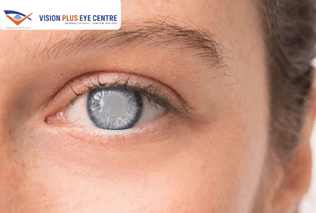
A cataract occurs when the natural lens of the eye becomes cloudy due to changes in lens proteins. This cloudiness prevents light from passing clearly through the eye, resulting in blurred or distorted vision.
Cataracts usually develop gradually, making early symptoms easy to ignore. Regular eye examinations can help detect cataracts at an early stage and prevent unnecessary vision difficulties.
Common Symptoms of Cataracts You Should Know
Cataract symptoms may vary depending on the severity of lens clouding. Some common signs include:
- Blurred or cloudy vision
- Difficulty seeing clearly at night
- Increased sensitivity to bright lights and glare
- Frequent changes in eyeglass prescriptions
- Faded or yellowish colour perception
- Seeing halos around lights
If you experience these symptoms, scheduling an eye check-up with an experienced ophthalmologist can help identify the right treatment approach.
What Causes Cataracts?
Ageing is the most common cause of cataracts, but several other factors can increase the risk, including:
- Age-Related Changes
As the eye naturally ages, the proteins in the lens may break down and cause clouding.
- Diabetes
People with diabetes may have a higher risk of developing cataracts due to changes in eye structure.
- Eye Injuries
Previous injuries to the eye can sometimes contribute to cataract formation.
- Long-Term Sun Exposure
Excessive exposure to ultraviolet (UV) rays may increase the chances of developing cataracts.
- Certain Medications and Health Conditions
Some medicines and medical conditions can affect eye health and increase cataract risk.
How Are Cataracts Diagnosed?
A detailed eye examination is essential for diagnosing cataracts. An eye specialist may perform:
- Visual acuity testing
- Eye pressure measurement
- Slit-lamp examination
- Detailed lens evaluation
Early diagnosis helps doctors recommend the most suitable treatment based on the patient’s vision needs and lifestyle.
Advanced Cataract Treatment Options
In the early stages, cataract symptoms may sometimes be managed with updated glasses or improved lighting. However, when cataracts begin affecting daily activities, cataract surgery is the most effective treatment.
Modern cataract surgery involves removing the cloudy natural lens and replacing it with an artificial intraocular lens (IOL). Advanced techniques such as phacoemulsification allow surgeons to perform cataract removal through a small incision, helping patients recover faster.
The choice of lens depends on individual requirements, including vision goals, lifestyle, and eye health.
Benefits of Timely Cataract Surgery
Choosing cataract treatment at the right time can provide several benefits:
- Improved clarity of vision
- Better night vision
- Greater independence in daily activities
- Improved quality of life
- Reduced dependence on thick glasses in many cases
Why Choose Vision Plus for Cataract Care?
Vision Plus focuses on providing trusted eye care with modern technology, experienced ophthalmologists, and patient-centred treatment plans. The centre offers cataract evaluation and advanced eye care services to help patients achieve healthier vision.
A personalised consultation allows doctors to understand your eye condition and recommend the most appropriate treatment option for your needs.
Conclusion: Take the First Step Towards Clearer Vision
Cataracts can gradually affect your ability to see clearly, but timely diagnosis and treatment can help protect your vision. If you notice blurred vision, glare problems, or difficulty with daily activities, do not ignore the signs.
Call Vision Plus or schedule your consultation online to explore the right cataract treatment option for you.