

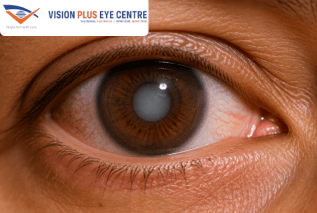
Glaucoma: The Silent Threat to Your Vision – Early Detection Can Save Your Sight
Your eyesight is one of your most valuable senses, but certain eye diseases can silently damage your vision without noticeable warning signs. Glaucoma is one such condition, often called the “silent thief of sight,” because it can gradually damage the optic nerve and lead to permanent vision loss if left untreated.
At Vision Plus Eye Center, we believe that awareness, regular eye check-ups, and timely treatment are the keys to protecting your vision. Understanding glaucoma symptoms, causes, and treatment options can help you take the right steps before serious damage occurs.
What is Glaucoma?
Glaucoma is a group of eye conditions that damage the optic nerve, which connects your eye to your brain. In many cases, this damage occurs due to increased pressure inside the eye (intraocular pressure). Over time, untreated glaucoma can affect peripheral vision and may eventually result in severe vision loss.
Unlike many eye problems, glaucoma often develops slowly and may not cause pain or obvious symptoms in the early stages. This makes regular eye examinations extremely important.
Common Symptoms of Glaucoma
Early-stage glaucoma may not show clear symptoms, but as the disease progresses, some warning signs may include:
- Gradual loss of peripheral (side) vision
- Blurred vision
- Eye pain or discomfort
- Redness in the eye
- Seeing halos around lights
- Headaches and nausea in cases of sudden pressure increase
If you notice any changes in your vision, consulting an eye specialist promptly can help prevent further complications.
What Causes Glaucoma?
Glaucoma usually occurs when fluid inside the eye does not drain properly, causing pressure buildup and optic nerve damage. Several factors can increase the risk, including:
- Increasing age, especially after 40
- Family history of glaucoma
- Diabetes and high blood pressure
- Previous eye injuries
- Long-term use of steroid medications
- Certain eye conditions
People with higher risk factors should undergo regular comprehensive eye screenings.
Types of Glaucoma
- Open-Angle Glaucoma
This is the most common type of glaucoma. It develops gradually as the eye’s drainage system becomes less effective, causing slow optic nerve damage.
- Angle-Closure Glaucoma
This occurs when the drainage angle becomes blocked, causing a rapid increase in eye pressure. It may require immediate medical attention.
- Normal-Tension Glaucoma
In some cases, optic nerve damage can occur even when eye pressure levels appear normal.
How is Glaucoma Diagnosed?
A detailed eye examination helps detect glaucoma at an early stage. Eye specialists may perform tests such as:
- Eye pressure measurement (tonometry)
- Optic nerve examination
- Visual field testing
- OCT (Optical Coherence Tomography) scan
- Gonioscopy
Early diagnosis allows doctors to begin treatment before significant vision loss occurs.
Glaucoma Treatment Options
Although glaucoma-related vision loss cannot usually be reversed, proper treatment can slow disease progression and help preserve remaining vision.
- Eye Drops and Medications
Prescription eye drops help reduce eye pressure and protect the optic nerve.
- Laser Treatment
Laser procedures can improve fluid drainage and help control eye pressure.
- Glaucoma Surgery
For advanced cases, surgical procedures may be recommended to improve drainage and prevent further damage.
Your ophthalmologist will recommend the best treatment based on your eye health and glaucoma condition.
Preventing Glaucoma and Protecting Your Eyes
While glaucoma cannot always be prevented, you can reduce risks through proactive eye care:
- Schedule regular eye examinations
- Maintain healthy blood sugar and blood pressure levels
- Avoid unnecessary steroid use
- Protect your eyes from injuries
- Follow your prescribed glaucoma treatment plan
Conclusion: Protect Your Vision with Early Glaucoma Care
Glaucoma can silently affect your eyesight, but early detection and proper management can make a significant difference. Regular eye check-ups, awareness of symptoms, and expert guidance are essential for maintaining lifelong eye health.
If you or your loved ones are experiencing vision changes or are at risk of glaucoma, consult the experienced eye specialists at Vision Plus Eye Center today. Book your comprehensive eye examination and take the first step toward protecting your precious vision.